Activating Cash for Impact: Key Takeaways from Our Impact Banking Conversations with Good Chaos

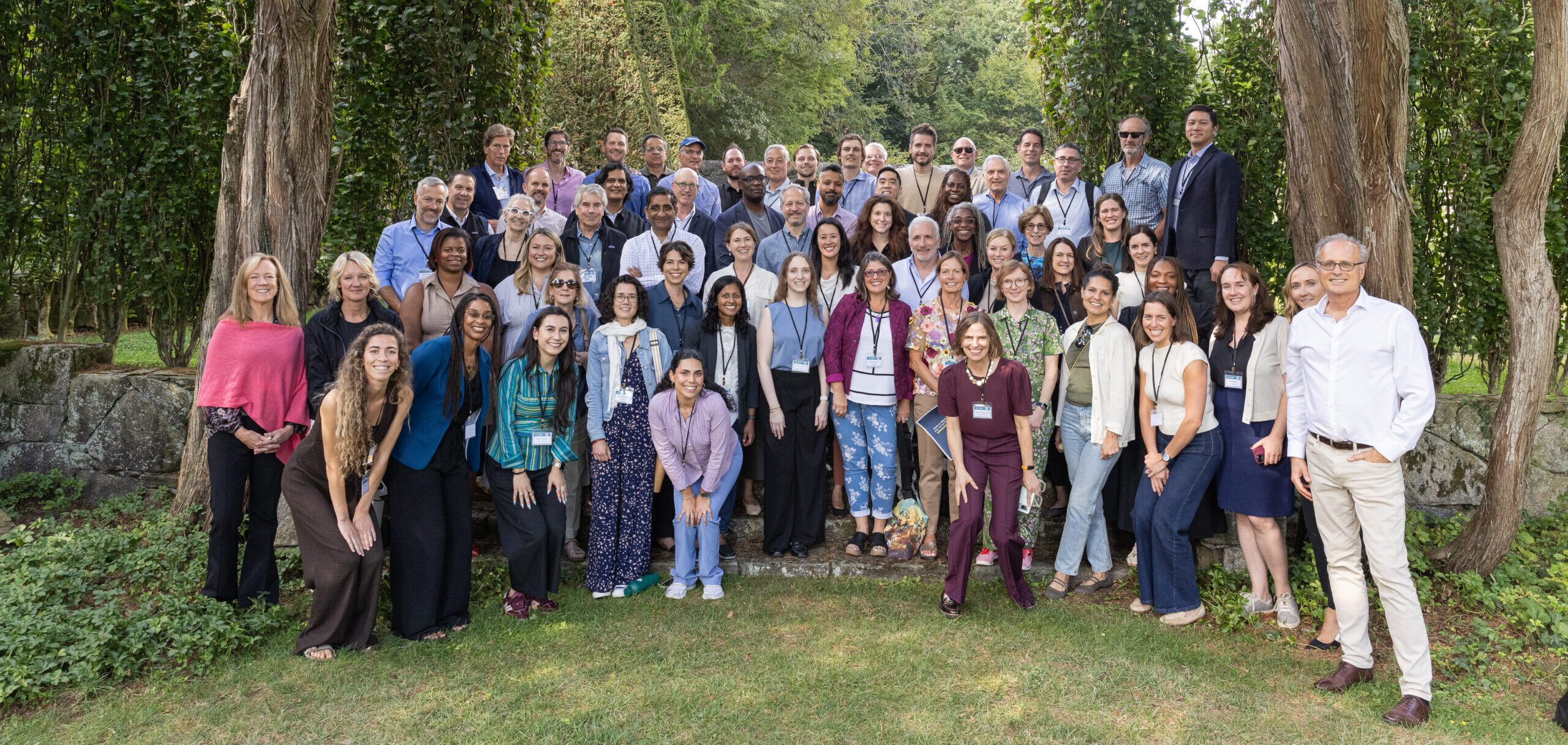
In March, we hosted two events – one in person and one virtual – in collaboration with our colleagues at Good Chaos, a Chicago-based family office and impact investing leader. Together with executives from CNote, First Women’s Bank, and Self-Help Credit Union, we explored a simple but often overlooked idea: putting cash to work in alignment with values and toward greater impact.
Rethinking Cash as an Impact Lever
Too often, cash is treated as a neutral or “unused” asset, parked at large traditional banks with limited visibility into how deposits are deployed. Yet, as discussed during the sessions, deposits are actively lent out – shaping which communities and businesses have access to capital. So, as Cat Berman of CNote pointed out, the question is not whether your cash has impact – it’s what kind of impact it is having.
An important part of this discussion is the overall banking landscape. Himal Agarwal of Good Chaos shared data showing that, since the 1980s, the number of banking institutions has dropped dramatically as a result of consolidation – while total banking assets increased tenfold. One result of these dynamics is that ~10% of banks account for upwards of 75% of small business lending nationwide. This illustrates a gap in financing available for small business and community lending and provides an opportunity for cash deposits to make a real difference.
The Role of Community and Mission-Driven Banks
Community and mission-driven banks – including CDFIs, community banks, credit unions, minority-owned banks, and values-aligned commercial institutions – play an outsized role in supporting small businesses, local economies, and underserved communities. First Women’s Bank, a Gratitude portfolio company, exemplifies this: it was formed by a group of women who came together seven years ago with a goal of building a bank with a strategic, but not exclusive, focus on closing the gender lending gap on a national level. Marianne Markowitz, First Women’s Bank’s President and CEO, points out that while women are starting and growing businesses at unprecedented rates, they are receiving only 4–6% of dollars provided through conventional business loans. First Women’s Bank is helping to close this gap through their bold mission: to grow the economy and elevate the role of women with it.
The speakers also noted that community and mission-driven banks offer:
• Strong track records and conservative balance sheets
• Competitive returns with FDIC/NCUA insurance
• Deep, relationship-based knowledge of local borrowers
These institutions are not only stable – they operate differently in ways that add to economic resilience across wide-ranging sectors and communities. CNote, Self-Help Credit Union, and First Women’s Bank all offered examples of how mission-focused banks have backed individual small businesses or community projects – including affordable housing projects, restaurants, and wellness providers – at critical moments in time. By stepping in where a traditional bank would not, the institutions helped those businesses grow, thrive, and contribute to their communities.
From Passive to Active Cash
A key theme throughout the conversation was the shift from “passive” to “active” cash. Traditional banking often offers convenience but limited transparency or control over impact. In contrast, impact cash strategies allow investors to:
• Align deposits with mission and values
• Support specific geographies or communities
• Track measurable social impact
Platforms like CNote can help streamline access to this ecosystem by enabling institutions to deploy cash across a diversified network of community banks while reducing friction. Values-aligned commercial banks, such as Amalgamated Bank and Beneficial State Bank, similarly work to ensure capital is always treated as “active.” At Gratitude Railroad, we have found these institutions to be strong strategic partners as well as service providers.
Looking Ahead
For many investors, particularly those with cash that does not need to be deployed daily, impact banking represents a meaningful opportunity. Good Chaos, for example, has been able to move tens of millions of dollars to institutions that provide the same core asset class benefits while significantly boosting the organization’s impact. Cash is always working. The opportunity is to ensure it’s working for the outcomes we want to see.
Related Posts
NYC Dinner Series: An Evening of Inclusive Innovation with Alice Vilma